Web Experience Design
Content strategy & narrative
Featured project: McKinsey Health Institute website
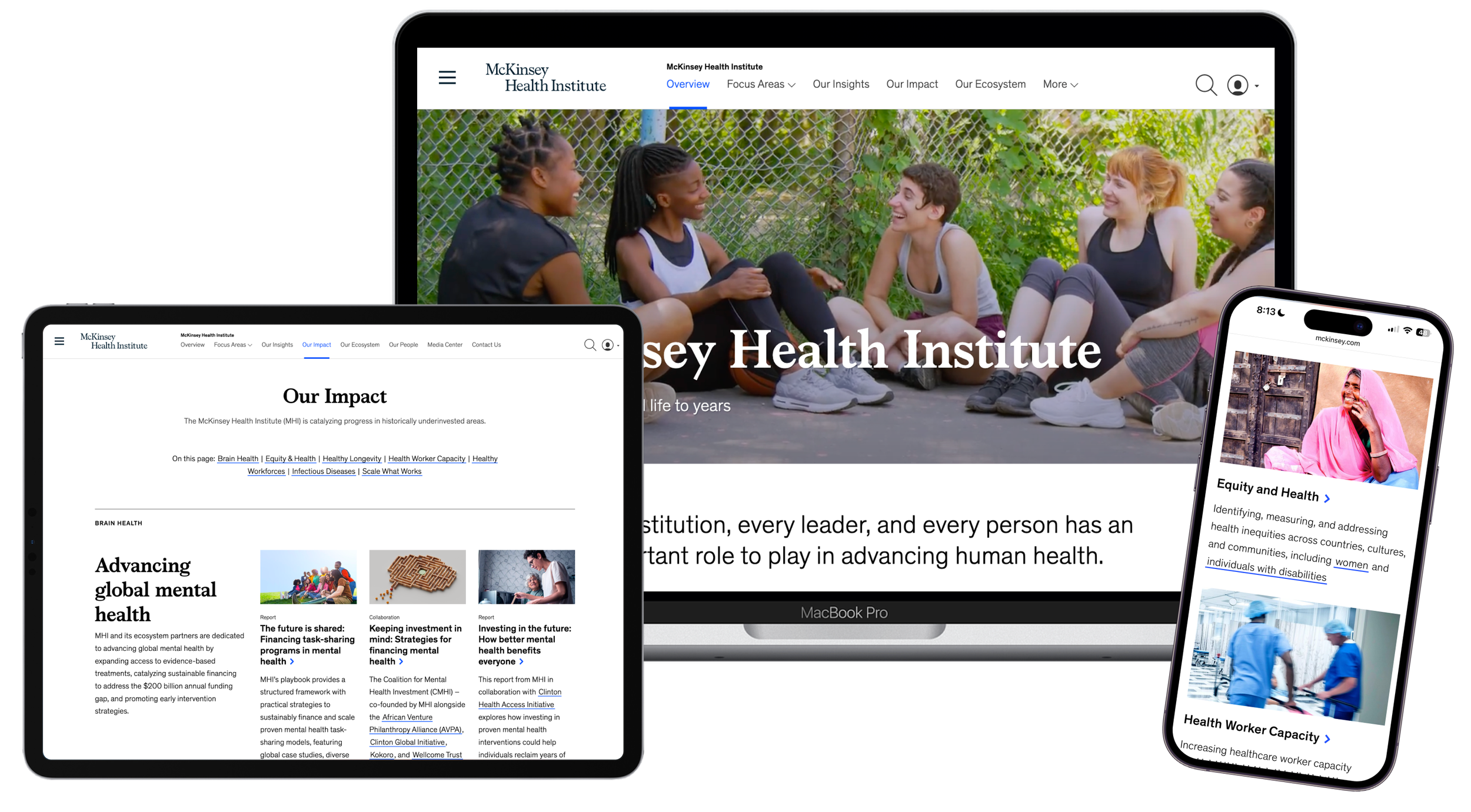
Role
Creative direction, audience research, content strategy, information architecture, UX
Overview
I turned the McKinsey Health Institute's ambitious mission—to extend healthy years of life globally—into a digital experience that helped four distinct audiences quickly understand what it was, where they fit in, and why it mattered. I organized the experience around the answers each audience came to find, using information architecture, content strategy, user journeys, and authentic global imagery to create an experience that felt intuitive and deeply human.
Brand experience
Featured project: Princeton University’s Diversity & Inclusion website
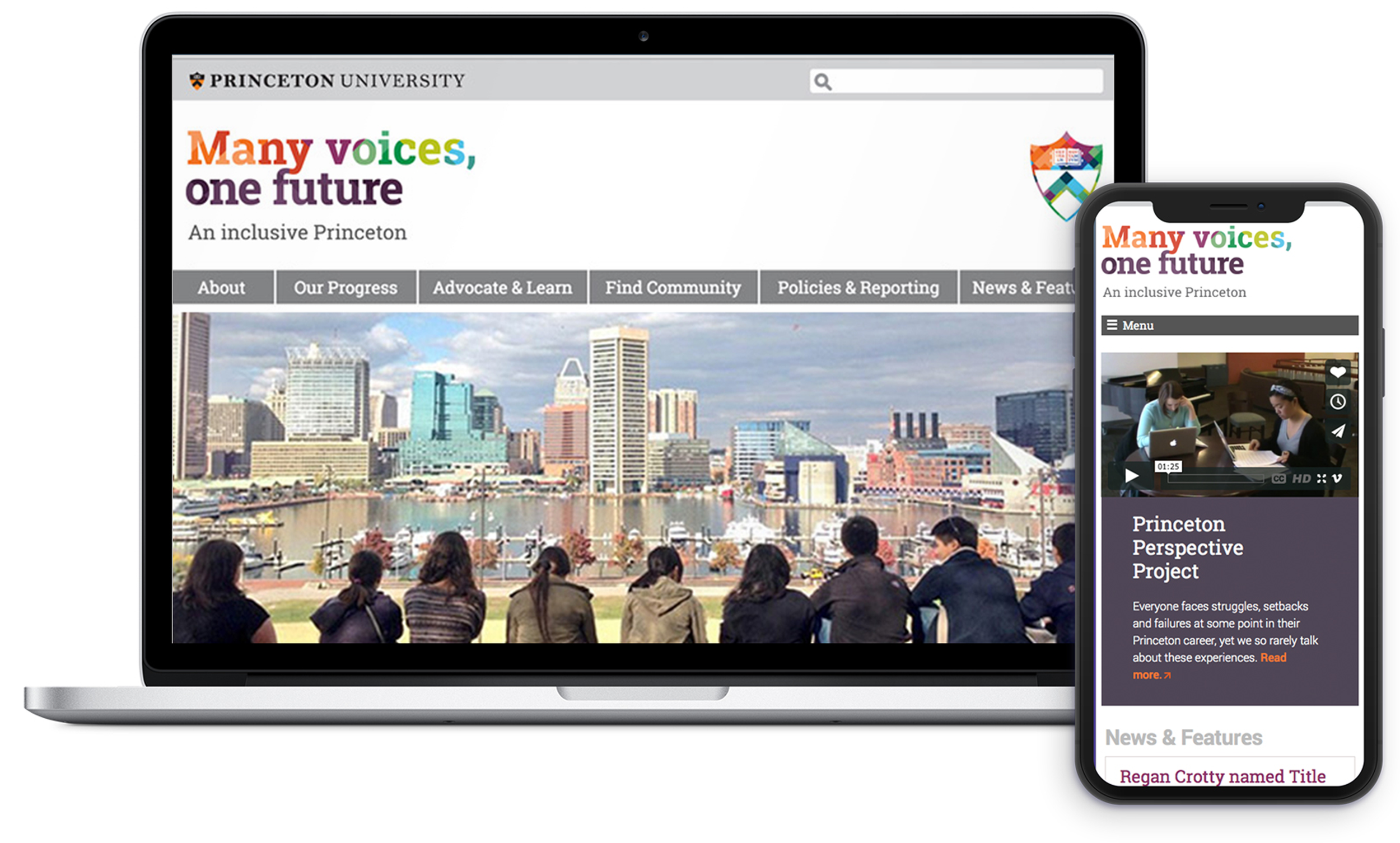
Role
Creative direction, audience research, content strategy, information architecture, UX
Overview
I created a digital experience that expressed Princeton's commitment to diversity and inclusion through its organization, language, tone, and visual design. Partnering closely with stakeholders, I organized the site's content around belonging while developing a visual approach that felt welcoming, authentic, and distinctly Princeton.
. . . . .
Related publication: Co-authored paper, Framing Episodes Leading to Emergence of Shared Goals within Client/Design Teams, featured in the peer-reviewed IASDR 2013 Conference Proceedings.
. . . . .
Information architecture
Featured project: Princeton University's Department of Housing website
Role
Discovery, stakeholder workshops, information architecture, content strategy, vendor RFP
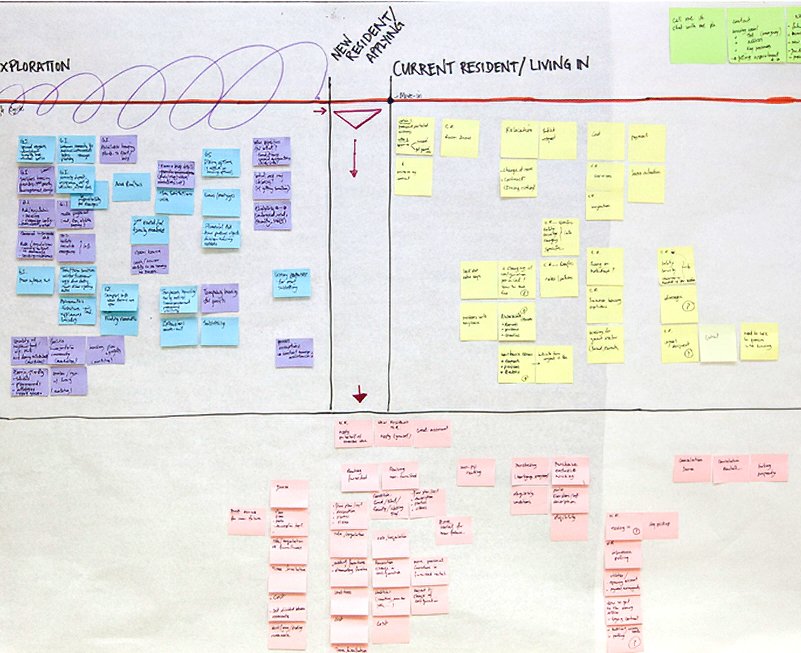
Development of new structural model based on target audiences’ needs, using old-school paper & stickies for an interactive SME experience.
Overview
The existing Princeton Housing website reflected the department's administrative structure rather than the way undergraduates, graduate students, and faculty naturally looked for information. Through collaborative workshops, I challenged that perspective, leading the team toward an audience-centered framework organized around each group's needs throughout their housing lifecycle.
That framework became the foundation for the site's information architecture, content strategy, and user journeys, giving the external design team a clear blueprint for the experience. The result was a site that helped visitors quickly find what they needed, reducing routine calls and walk-ins and allowing Housing staff to spend more time supporting students, faculty, and staff with more complex needs.
. . . . . . . . . . . .
Related publication: Co-authored paper, Using Design Thinking Collaboratively to Develop the Scope of a Website, featured in the peer-reviewed publication 01Design, Vol. 8: Échelles, Espaces, Temps.
. . . . . . . . . . . .
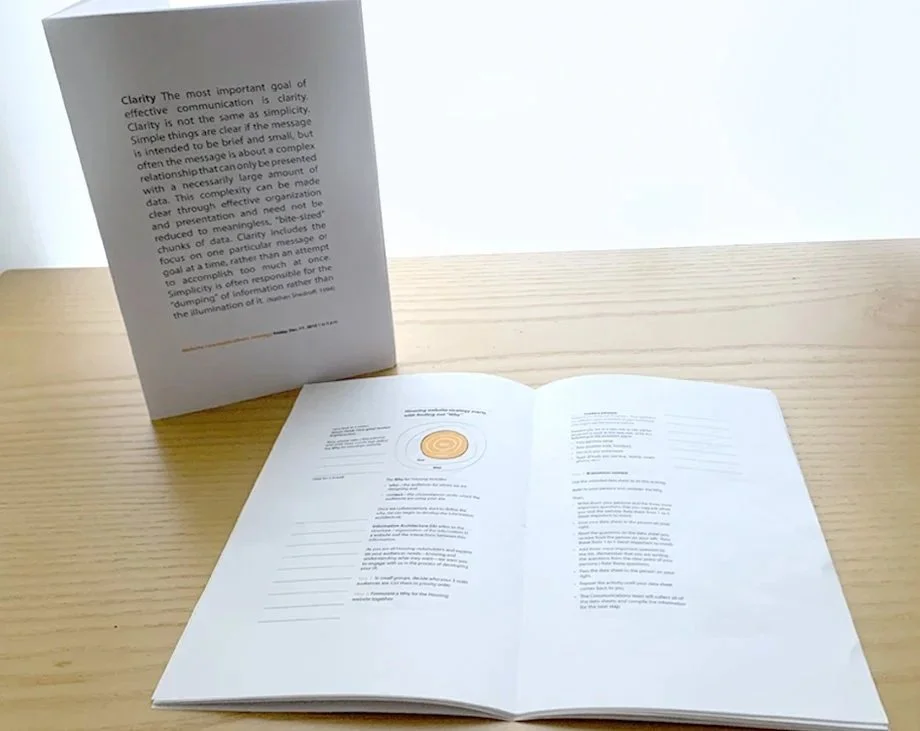
Workbook designed for an SME workshop to shift their mental model from an internal, administrative view to one that was empathetic to the target audiences’ experiences.
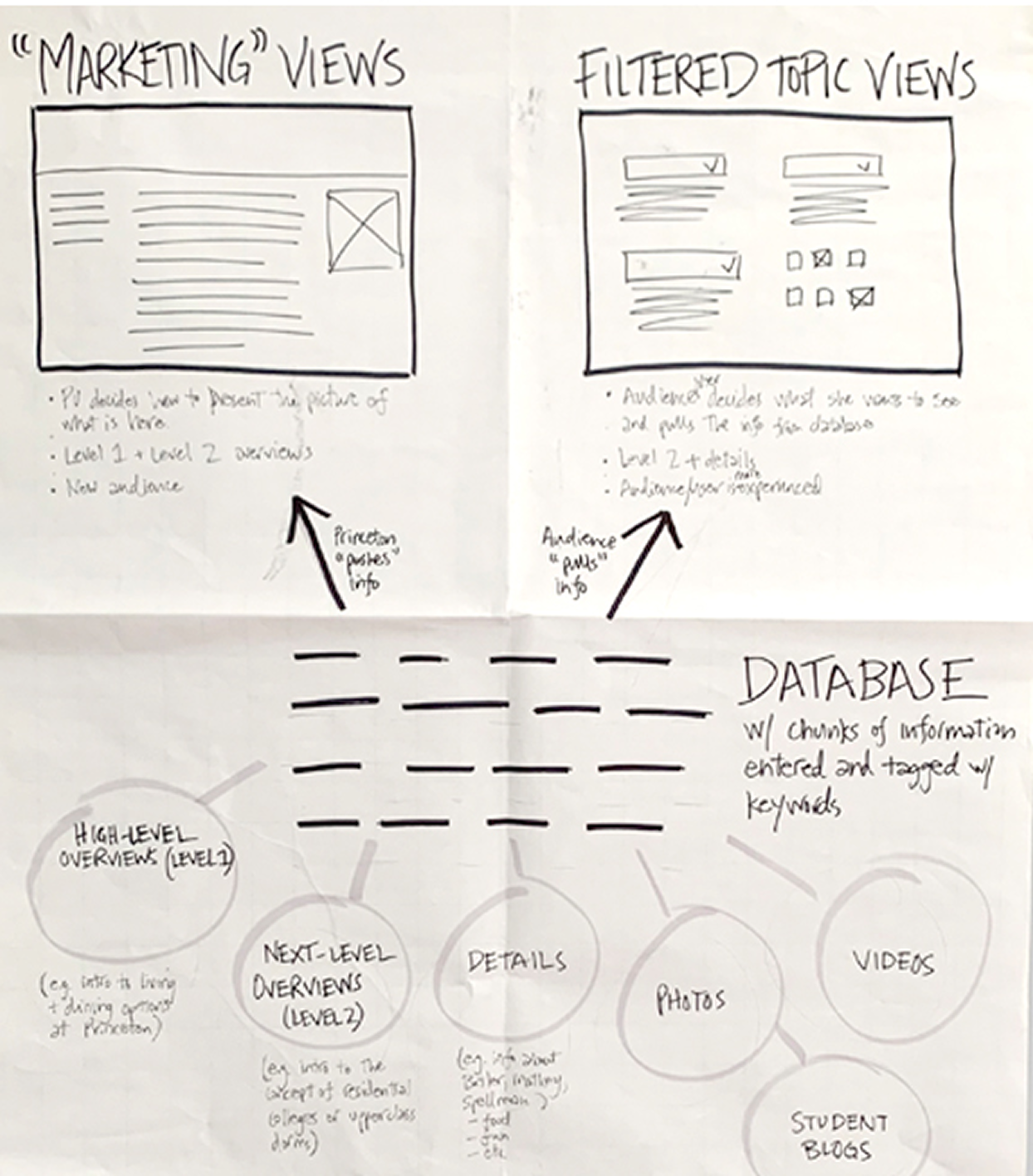
Illustration of data flow into audience-centered informational views.